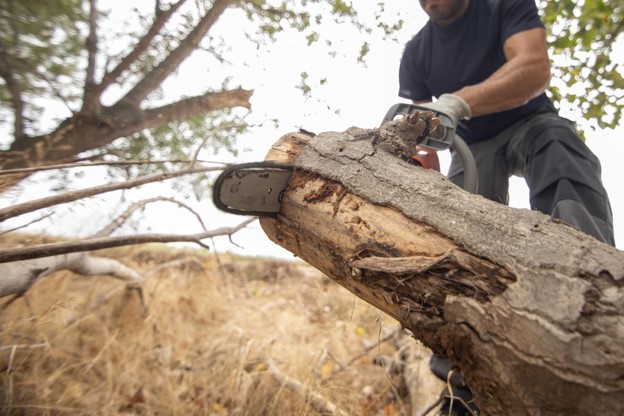
Removing an old stump from your property sounds simple enough. Grind it down, clear the mess, done. But anyone who has watched a stump grinder in action knows there is more happening underground and around the site than most homeowners expect. Wood chips fly. Roots run closer to fence lines than you’d think. And that paving you just had laid last spring? It sits right in the blast zone if nobody plans.
We have handled countless jobs across the northern suburbs, including Stump Grinding Broadmeadows projects where tight yards and shared fences made preparation essential. A bit of planning before the grinder starts up can save your garden beds, your paving and your neighbour’s goodwill.
Why Protection Matters Before the Grinder Starts
A stump grinder is a heavy-duty machine. It chews through wood and root systems using a rotating cutting wheel, and that wheel doesn’t distinguish between a stump and stray timber edging. Debris gets thrown outward. Vibration travels through soil. And the machine itself needs room to manoeuvre, which often means driving equipment across lawns or garden beds that homeowners would rather keep untouched.
We always assess the site before starting any job. This includes checking:
- Distance between the stump and nearby fences or garden edging
- Soil type and how it might shift under machine weight
- Paving, driveways or retaining walls within the debris radius
- Underground services such as irrigation lines or shallow cabling
Skipping this step is how small jobs turn into expensive repairs.
Protecting Fences During Stump Removal
Fences take more punishment during stump grinding than people realise. Timber palings splinter from flying chips, and metal fencing can get scuffed or dented if equipment brushes against it while turning.
Simple Steps That Make a Real Difference
- Lay protective boards or tarps along the fence line closest to the work area
- Mark the stump’s root spread beforehand, since roots sometimes travel further than the visible stump suggests
- Keep machinery angled away from the fence wherever the yard allows
- Ask us about temporary barriers if your fence is older or already weathered
Homeowners doing Stump Grinding Craigieburn work on properties with shared boundary fences should flag this early. A quick conversation with a neighbour before the job starts avoids awkward disputes later.
Safeguarding Garden Beds and Soil Health
Garden beds are often the first casualty of stump removal work, not because contractors are careless, but because chips and grindings spread further than expected. Loose wood debris can smother plants, alter soil pH slightly, and in some cases attract pests while it breaks down.
Here is what actually helps:
- Cover nearby beds with tarpaulins or plywood sheets before grinding begins
- Relocate potted plants temporarily if they sit within a few metres of the stump
- Rope off garden edges so foot traffic and equipment stay clear
- Ask for debris removal rather than letting chips settle into existing mulch
Soil compaction is another concern people forget about. Heavy machinery driving repeatedly over the same patch of lawn or garden bed can compress soil structure, making it harder for grass or plants to recover afterwards. We try to plan access routes that minimise repeat passes over soft ground.
Keeping Paving and Hard Surfaces Safe
Paving, concrete slabs and decorative stonework near a stump site face two main risks: physical impact from debris, and surface staining from wood dust and sap residue.
Practical Ways to Protect Hard Surfaces
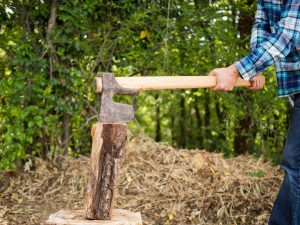
- Cover paving with heavy tarps secured at the edges so debris cannot slip underneath.
- Sweep or vacuum wood dust promptly rather than letting it sit and stain in damp weather.
- Check for cracks near the stump base, since root systems can shift paving slightly over years, and grinding vibration may expose weaknesses.
- Avoid dragging equipment across pavers, which can chip edges or crack older stone.
Properties undergoing Stump Grinding West Meadows work sometimes have paving directly bordering the stump, especially in courtyard gardens or narrow side passages. In these cases, we often recommend removing loose pavers temporarily if the layout allows it, just to be safe.
What Homeowners Can Do Before the Team Arrives
A little preparation on your end speeds up the job and reduces risk all round. Before your scheduled appointment, consider doing the following:
- Clear loose items such as pots, hoses, or garden ornaments from the work zone
- Photograph existing fence, paving and garden bed conditions for reference
- Mark any known underground pipes, cables or irrigation lines
- Discuss access points with your provider so vehicles and equipment know exactly where to go
None of this takes long, yet it makes a noticeable difference to how smoothly the job runs.
When Professional Assessment Beats DIY Guessing
Renting a stump grinder and tackling the job yourself might feel like the cheaper option, but without proper assessment of root spread, soil condition and surrounding structures, the risk of accidental damage rises sharply. Professional teams carry insurance, use calibrated equipment, and know how to read a yard before committing to a grinding line.
Damaged fencing, cracked pavers or ruined garden beds usually cost more to fix than the stump removal itself would have cost in the first place.
Conclusion
Stump grinding does not have to leave a trail of damage behind. With clear boundary marking, proper coverings for fences and paving, and thoughtful handling of nearby garden beds, the process stays clean and controlled from start to finish. A well-planned job protects not just the stump area, but everything surrounding it too.
At Tree Kings, we bring this careful, structured approach to every property we work on, treating your fences, garden beds and paving with the same care we give the stump itself.
Frequently Asked Questions
1. Does stump grinding damage nearby paving?
It can, if debris and vibration are not managed properly. Covering paved areas and avoiding direct equipment contact reduces this risk significantly.
2. How close can a stump grinder work to a fence?
This depends on the fence material and the stump’s root spread, but protective boards or tarps are recommended whenever grinding happens within a few metres of any fence line.
3. Will grinding a stump harm my garden bed soil?
Wood chips and dust can affect soil temporarily if left uncleared. Covering beds beforehand and removing debris promptly keeps soil health intact.
4. Should I remove plants near the stump before grinding starts?
Yes, relocating potted plants and roping off garden beds close to the work zone helps prevent accidental damage from flying debris or equipment movement.