A tree fell across a driveway in Epping last winter, right after a week of heavy rain. The owner told a neighbour a few days earlier that the trunk looked a bit off, but nobody thought much of it until it landed on a parked car. Nobody got hurt, which honestly was just luck. That kind of story plays out more often than people realise, and it’s usually preventable. If you have ever searched for a Tree Removal service Craigieburn because something in your yard just feels wrong, this one’s for you.
By the end of this, you will know exactly what to look for, what’s just cosmetic and what actually means a tree needs to come down before it causes real damage.
Trees Don’t Always Look Dangerous Before They Fail
This is the part people get wrong most often. A tree can look green, full, and perfectly fine from the footpath and still be rotting from the inside out. Decay does not always show on the bark. Sometimes the only clue is a hollow sound when you knock on the trunk, or fungus growing near the base that nobody bothered to Google.
Arborists talk about this a lot. A tree’s structural integrity depends on things you literally cannot see with a two-second glance, like internal decay, root damage below the soil line, or old pruning wounds that never healed properly. That’s part of why professional inspections matter so much more than a quick backyard check.
Physical Signs That Should Worry You
Some warning signs are loud and obvious once you know what you are looking for. Here’s the short list worth memorising:
- Deep cracks or splits in the trunk, especially ones that run vertically or seem to be widening over time
- Large dead branches in the canopy, particularly if the rest of the tree still looks healthy
- Fungal growth at the base, like mushrooms or shelf fungus, usually points to root or trunk rot
- A sudden lean that wasn’t there a few months ago, or soil lifting on one side of the base
- Peeling bark in large sections, exposing bare wood underneath
If even one of these applies, it’s not something to sit on. A tree with root rot and a lean is a completely different risk level than a tree that’s just messy-looking.
What’s Happening Underground Matters More Than You’d Think
Roots do not get much attention until they are a problem. But root damage is one of the biggest reasons trees fail without warning. Construction work nearby, trenching for pipes, or even repeated heavy foot traffic can compact soil and choke a root system slowly over years.

Homeowners in growth corridors around Melbourne’s north, places like Greenvale where new estates keep popping up next to older established trees, run into this a lot. Construction crews dig near a tree’s drip line without realising they have just cut through half its stabilising roots. The tree might survive for another year or two, then drop without much notice during a windy night.
If you are noticing soil cracking or heaving around the base of a tree, or if the ground looks slightly raised on one side like something’s pushing up from below, that’s often root plate movement. It means the tree is losing its anchor, and that’s a serious hazard regardless of how healthy the leaves look.
Storms Turn Borderline Trees Into Real Emergencies
Melbourne’s weather does not do subtle. One week it’s dry and windy, next week there’s a burst of heavy rain that saturates the soil. Saturated soil combined with strong wind gusts is basically the worst combination for a tree that’s already compromised. The ground softens, roots lose grip, and a tree that seemed stable for years can go down in minutes.
This is exactly why a lot of emergency callouts spike after storm season. A local Tree removal service Broadmeadows will usually tell you the same thing: most emergency jobs are not random; they’re trees that already had warning signs nobody acted on early enough.
Should You Handle It Yourself or Call a Professional
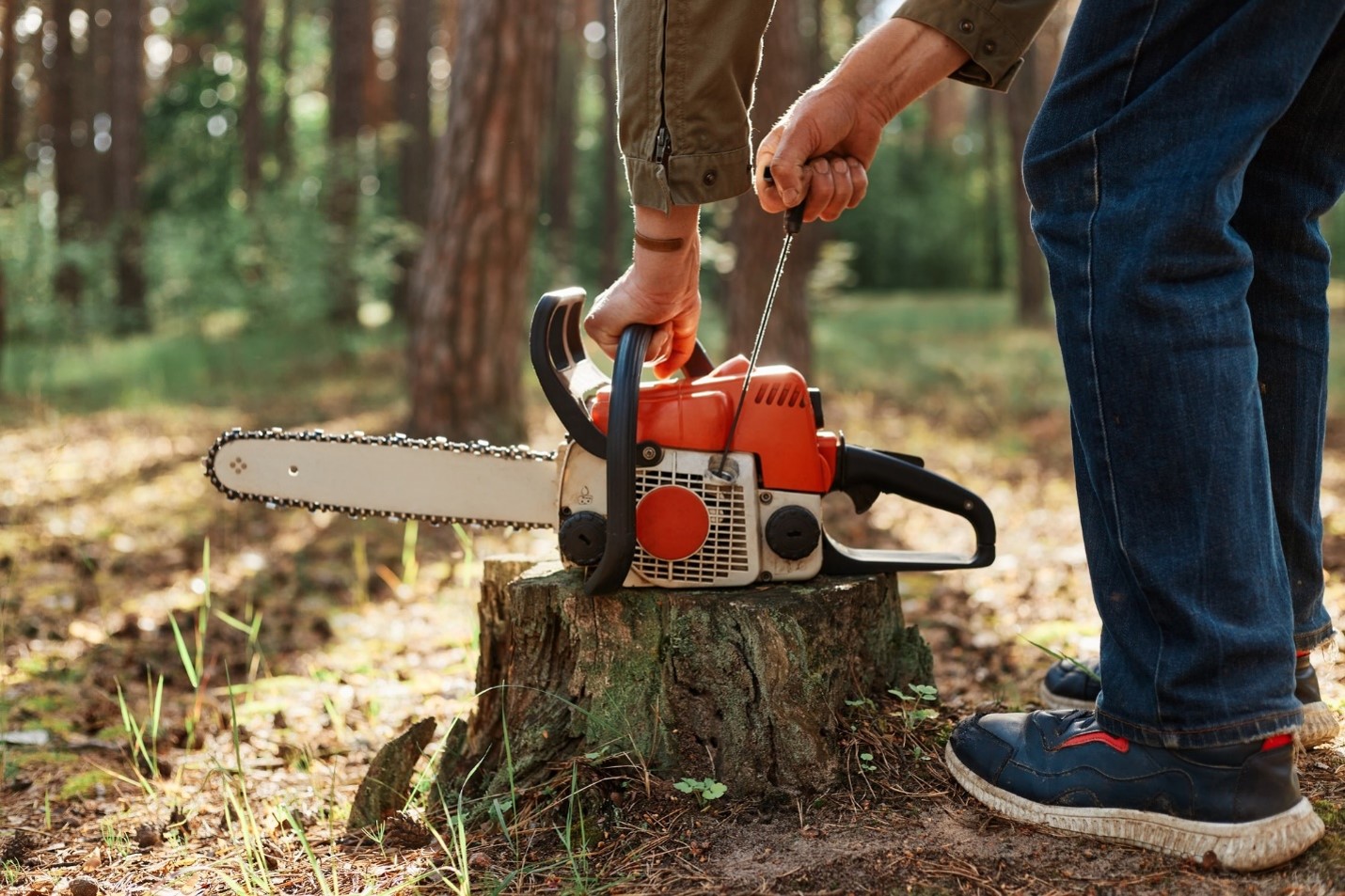
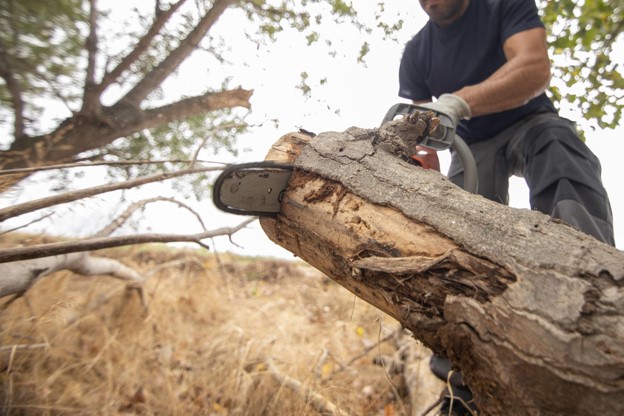
This part trips people up constantly, mostly because chainsaws are easy to buy and YouTube makes tree felling look simple. It’s really not, especially once a tree is leaning, near power lines, or close to a house or fence.
Here’s a quick comparison worth thinking through before grabbing any tools:
- DIY removal risks include falling limbs, unpredictable trunk splits, and property damage from miscalculated felling direction
- Professional removal includes proper rigging, controlled dismantling, insurance coverage, and equipment built for the exact job.
Tree Removal service Greenvale are another thing people forget about. A lot of established trees in residential zones need approval before removal, and skipping that step can land you in trouble even if the tree genuinely needs to go.
What a Professional Assessment Actually Involves
A proper arborist visit is not just someone walking up, glancing at the tree, and quoting a price. It usually includes checking the trunk for internal decay using sound or resistance testing, inspecting root flare for rot or damage, assessing lean angle against the tree’s height and canopy weight, and looking at proximity to structures, fences, and power lines.
This is the difference between guessing and actually knowing whether a tree is safe. A trained eye picks up on things most homeowners miss entirely, like early-stage cavity formation or subtle canopy dieback that signals stress long before it becomes visible from the ground.
When It’s Time to Call Someone
If a tree ticks two or more of the warning signs above, that’s usually the point where waiting stops being a reasonable option. Trees near driveways, homes, sheds, or shared fences carry higher stakes because there’s more that can go wrong if things fail unexpectedly.

Homeowners across Craigieburn, Greenvale, and Broadmeadows deal with a mix of established gum trees and newer plantings, and both come with their own risks. Older trees develop decay and structural weakness over decades. Younger trees planted too close to homes during recent development booms sometimes have root systems that were never given enough room to establish properly.
Either way, a proper inspection settles the question fast. Sometimes a tree just needs a prune. Other times, it genuinely needs to come down before the next storm decides for you.
Conclusion
Hazardous trees rarely announce themselves clearly. Cracks, leans, fungus, dead limbs, and soil disturbance are the real clues, and ignoring them tends to be far more expensive than acting early. Storm season only raises the stakes, especially for trees that were already struggling quietly underground.
If something in your yard has been bugging you for a while, get it checked before the weather decides for you. Tree Kings has been helping homeowners across Melbourne’s northern suburbs spot these problems early and handle removals safely, without the guesswork.
FAQs
How do I know if a tree is too dangerous to keep on my property?
Look for deep trunk cracks, sudden leaning, fungal growth at the base, or large dead branches. If two or more of this show up together, it’s worth getting a professional opinion rather than waiting.
Do I need council approval before removing a tree in Melbourne’s northern suburbs?
In many cases, yes. Established or protected trees usually need a permit before removal, even if they’re on private property. A local arborist can confirm what applies to your specific tree and suburb.
Can a tree look healthy but still be unsafe?
Definitely. Internal decay and root damage often don’t show up in the leaves or canopy at all. That’s why a physical inspection matters more than a visual check from a distance.
How quickly should I act once I notice warning signs?
As soon as possible, especially before storm season. Saturated soil and strong wind are the exact conditions that turn a borderline tree into an emergency, so early action genuinely reduces risk.