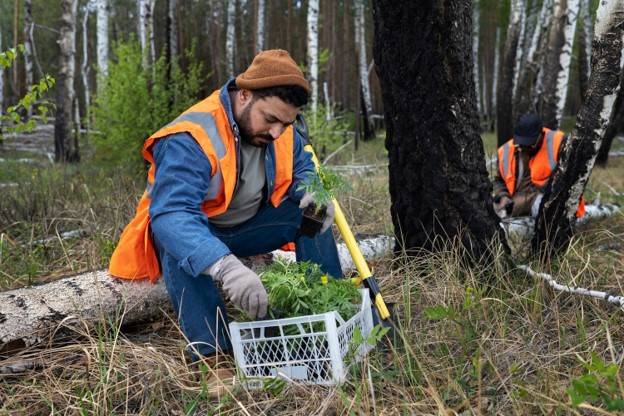
A neighbour of mine in Lalor had a stump sitting in her backyard for almost two years. Looked harmless enough, just an old chunk of wood slowly turning grey. Then one afternoon she pulled back some mulch near it and found a termite trail running straight toward her back deck. That stump wasn’t just an eyesore anymore, it was basically an open invitation for pests to move in and set up camp.
That’s the thing nobody really tells you about old tree stumps. They do not just sit there quietly rotting away. They become little apartment complexes for ants, termites, borers and all sorts of unwanted guests. If you’ve ever wondered why stump grinding keeps coming up whenever pest control or tree care is mentioned, this is exactly why. In this blog we will go through what actually happens inside a decaying stump, why it attracts pests so easily, and how something like Stump Grinding Lalor services can save you from a much bigger headache down the track.
Why Old Stumps Are a Pest Magnet
A stump left in the ground does not die instantly. The roots underneath stay alive for months, sometimes years, slowly breaking down. That decaying wood is soft, moist and full of nutrients. For termites and wood borers, that’s basically a five-star buffet.
Here’s what tends to happen over time. Moisture builds up inside the decaying timber. Fungi start growing, which softens the wood even further. And once the wood gets soft enough, it becomes incredibly easy for pests to burrow in. Termites especially love this kind of environment because it gives them shelter, food and a hidden pathway that often leads straight toward nearby structures.
I have seen properties where a stump sat maybe three or four metres from the house, and termites used it as a stepping stone. They did not go straight for the timber frame of the house. They built up a colony in the stump first, then slowly extended tunnels underground until they found their way to the foundations. It’s not instant, but it’s steady and quiet, which makes it worse because homeowners often do not notice until there’s actual damage.
The Domino Effect Most People Miss
One rotting stump rarely stays a one-pest problem. Ants show up first because decaying wood is soft and easy to nest in. Then termites might follow, drawn by moisture and shelter. Fungal growth attracts other insects too, and before long, you’ve got a whole ecosystem thriving in your backyard that has nothing to do with gardening and everything to do with pest infestation.
This is one of those things that sounds exaggerated until you actually see it happen. A property in Roxburgh Park had this exact issue last year: three separate stumps left from a storm cleanup, all untouched for months. By the time the owner called for Stump Grinding Roxburgh Park assistance, there was already visible termite activity in two of them. Grinding them down solved the immediate issue, but it also meant an extra pest inspection was needed just to be safe.
How Stump Grinding Actually Stops This
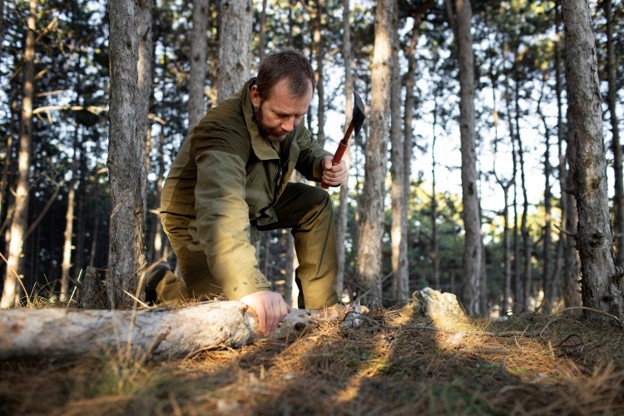
Stump Grinding Roxbough Park by mechanically chipping the stump down below ground level, usually somewhere between 10 and 30 centimeters, depending on what the space is going to be used for afterwards. This is not just about aesthetics or making the yard look tidy again.
Grinding removes the softest, most vulnerable part of the stump, which is exactly where pests would otherwise nest. Once that top section is gone, there’s a lot less surface area for termites or ants to latch onto. The remaining root system underground does still break down naturally, but it happens more slowly and deeper in the soil, away from easy pest access and away from your home’s foundations.
Compare that to just leaving a stump untouched, or even just painting over it or covering it with mulch to hide it. Mulch actually makes the moisture problem worse in some cases because it traps dampness right where the pests want it. Grinding physically removes the risk instead of masking it.
When Should You Actually Get It Done
Timing matters more than people think. A stump that’s freshly cut is far less risky than one that’s been sitting for a year or two, already showing signs of decay. Waiting too long means pests have more time to establish themselves before anyone steps in.
Signs it’s time to book stump grinding sooner rather than later:
- Soft or spongy texture when you press on the stump
- Small holes, sawdust piles, or visible insect activity around the base
- Fungal growth or mushrooms sprouting near the stump
- A musty, damp smell is coming from the wood
- The stump sits within a few meters of a house, fence, or garden bed
If any of that sounds familiar, it’s worth getting someone to look at it rather than waiting for a bigger problem to show up. Homeowners searching for a Stump Removal service Broadmeadows or similar areas usually come to us right around this stage, either after noticing pest signs themselves or after a pest inspector flagged the stump as a risk factor.
What Happens During a Proper Stump Grinding Job
A decent job is not just about turning up with a machine and chewing through wood. There’s a process, and skipping steps is usually where things go wrong.
First, the site gets checked for underground pipes, cables or anything that could be damaged during grinding. Then the stump gets assessed for size, wood density and root spread, because that determines which grinder and depth setting makes sense. After that comes the actual grinding, which chips the stump and upper roots into mulch. Depending on stump size, this can take anywhere from fifteen minutes for a small one up to a couple of hours for larger, older trees.
Once grinding is done, the area gets cleared. Some people want the mulch left behind for garden use; others prefer it removed entirely. Either way, a good operator will leave the ground level and ready for whatever comes next, whether that’s turf, paving or a new garden bed.
A Quick Reality Check on DIY Attempts
Renting a small stump grinder and doing it yourself sounds tempting, and sure, for a tiny stump in an open area, it can work fine. But bigger stumps, awkward access points, or stumps near underground services are a different story entirely. These machines are genuinely dangerous if you haven’t used one before, and a poorly done job can leave enough decaying wood behind that the pest risk barely changes.
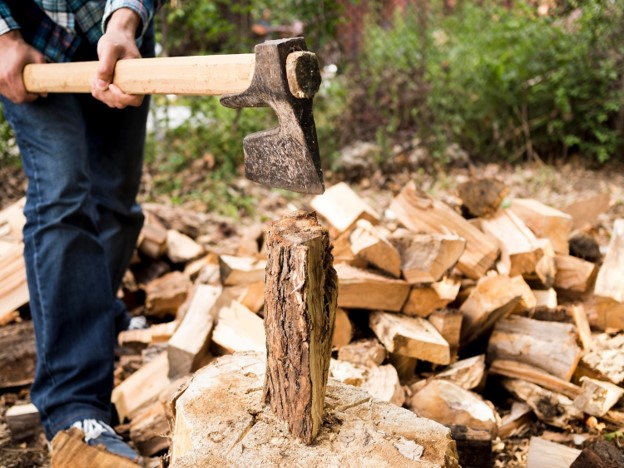
It’s one of those jobs where hiring someone experienced actually saves money long-term, because redoing a botched grinding job or dealing with a termite infestation afterwards costs a lot more than getting it right the first time.
Conclusion
Old stumps are not just clutter sitting in a yard. They’re a genuine invitation for pests, and the longer they sit there, the bigger that risk becomes. Grinding them down properly removes the soft, decaying wood that pests rely on, and it does it without leaving behind the kind of mess or root disturbance that full stump removal involves.
If there’s a stump on your property that’s been ignored for a while, it’s worth getting it checked before pests decide to move in first. Tree Kings has handled plenty of these situations across Melbourne’s northern suburbs, and getting ahead of the problem is always easier than fixing it afterwards.
FAQs
Does stump grinding completely stop termites from coming back?
Grinding removes the main risk factor, which is the soft decaying wood pests are drawn to. It significantly lowers the chance of termite activity, though a separate pest inspection is still a good idea if you’ve already spotted signs of infestation.
How deep does a stump need to be ground to prevent pest issues?
Most jobs go around 10 to 30 centimeters below ground level. Deeper grinding is sometimes needed if you’re planning to replant or lay foundations nearby.
Is stump grinding better than full stump removal for pest prevention?
For most residential properties, yes. Grinding is faster, cheaper and removes the exact section pests target, while full removal is usually only necessary for construction or landscaping projects needing the whole root system gone.
How soon after tree removal should stump grinding be done?
Sooner is better. A freshly cut stump hasn’t had time to soften or attract pests yet, so scheduling grinding within a few weeks of removal is ideal rather than letting it sit for months.