A neighbour of mine once ignored a small patch of fungus growing near the base of her old gum tree. Two years later, that same tree came down in a storm, right across her garage roof. Nobody warned her that the fungus was actually a sign of root rot eating away at the tree from the inside out. That’s the thing about tree diseases. They rarely look dramatic until it’s too late.
If you have been searching for a reliable Tree Removal service West Meadows homeowners trust, or you are just trying to figure out whether that odd bark discoloration on your backyard tree is something to worry about, this guide is for you. We will walk through the most common tree diseases in Melbourne, how to spot them early, and when removal genuinely becomes the safer option instead of just another expensive maintenance job.
Why Tree Diseases Matter More Than You Think
Melbourne’s climate swings between wet winters and dry, scorching summers. That kind of stress is exactly what fungi, pests and bacteria love. A tree that looks fine on the outside can be hollow and unstable within a few seasons if disease sets in and nobody notices.
Diseased trees aren’t just an eyesore. They are a genuine safety risk, especially in suburban blocks where branches hang over fences, driveways, and power lines. Insurance claims for storm damage caused by falling trees have climbed steadily across Victoria, and a fair chunk of those cases involve trees that were already compromised by disease before the wind ever touched them.
Root Rot: The Silent Killer
Root rot is probably the most common disease we come across on residential properties across Melbourne’s north. It’s caused by fungi like Phytophthora and Armillaria, which thrive in soggy, poorly drained soil.
The tricky part is that root rot works underground, out of sight, while the tree above ground might still be producing leaves. By the time you notice thinning foliage or a leaning trunk, the root system could already be too damaged to save.

Signs to watch for:
- Mushroom-like growths at the base of the trunk
- Soft, spongy bark near the soil line
- Leaves that turn yellow or wilt even with regular watering
- A tree that suddenly leans more than it used to
If root rot has spread through the main root plate, there’s honestly not much that can reverse it. At that point, removal isn’t overkill. It’s prevention.
Fungal Cankers and Dieback
Cankers show up as sunken, discolored patches on the bark, often oozing sap or looking cracked. They are caused by fungal or bacterial infections entering through wounds, whether from pruning cuts, storm damage, or even lawn mower nicks near the base.
Left untreated, cankers spread and choke off the flow of nutrients through the trunk. This leads to dieback, where entire branches or sections of the canopy simply stop growing and turn brittle. Dead branches over a driveway or footpath are not just ugly, they’re a genuine falling hazard.
Some cankers can be managed by pruning out the affected limbs early. But once a canker girdles the main trunk, meaning it wraps all the way around, the tree’s days are numbered regardless of how much care goes into it.
Pest Infestations That Mimic Disease
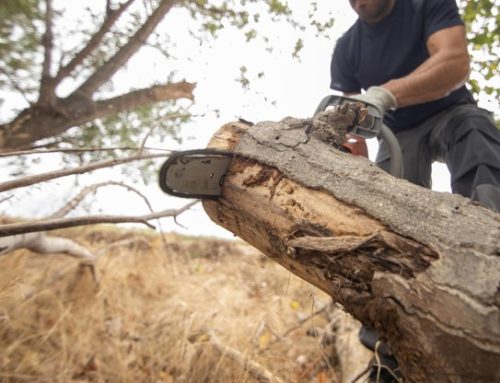
Not every dying tree is sick from fungus. Borers, termites, and certain beetle species can hollow out a trunk from within, weakening its structure while leaving the outer bark looking mostly normal.
We have seen properties around Lalor and the surrounding suburbs where a tree looked perfectly healthy from the street, yet a quick tap test revealed a hollow trunk underneath. That’s why anyone offering a Tree Removal service Lalor locals can depend on should always check for pest damage alongside disease, not just one or the other.
Termites in particular love old, moist wood, and Melbourne’s older established suburbs with mature trees are exactly the kind of environment they thrive in.
Dutch Elm Disease and Other Species-Specific Threats
Melbourne actually holds one of the last significant populations of healthy elm trees in the world, which makes Dutch Elm Disease a genuinely serious concern here. Bark beetles spread it and can kill a mature elm within a single season.
Local councils take this seriously too, often requiring immediate reporting and removal of infected elms to stop the disease spreading through nearby streets. If you’ve got an elm on your property showing wilting, yellowing leaves in a single branch first, do not wait around. Early reporting protects every other elm nearby, not just your own tree.

When Pruning Isn’t Enough
Plenty of tree issues can be fixed with a good prune. Dead limbs, minor pest damage, overcrowded canopies, all manageable without cutting the whole thing down.
Removal becomes the right call when:
- The disease has reached the main trunk or root system
- More than 50% of the canopy is affected
- The tree poses a risk to structures, powerlines, or people
- Regrowth or recovery is unlikely based on species and damage extent
An arborist’s job is not to remove trees for the sake of it. A good one will always try to save a tree first. But there’s a point were continuing to treat a dying tree just delays an inevitable and more dangerous outcome.
What Happens After Removal
Removing a diseased tree is not the end of the job. The stump left behind can still harbor fungus, pests, and disease spores, especially in root rot cases. Grinding the stump down properly stops regrowth and prevents the infection from lingering in the soil for future plantings.
This is where working with an experienced local team makes a real difference. Tree Kings Melbourne teams handle stump grinding and site clean-up as part of the same job, so the disease does not get a second chance to spread through mulch or leftover root material.
A Quick Word on DIY Removal
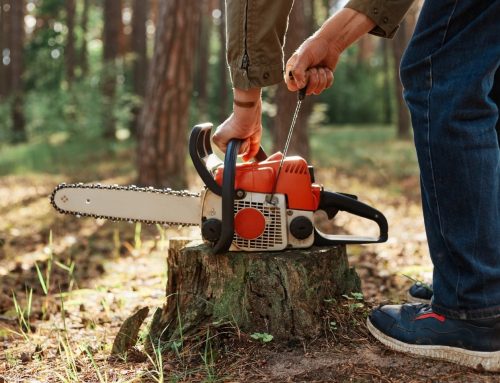
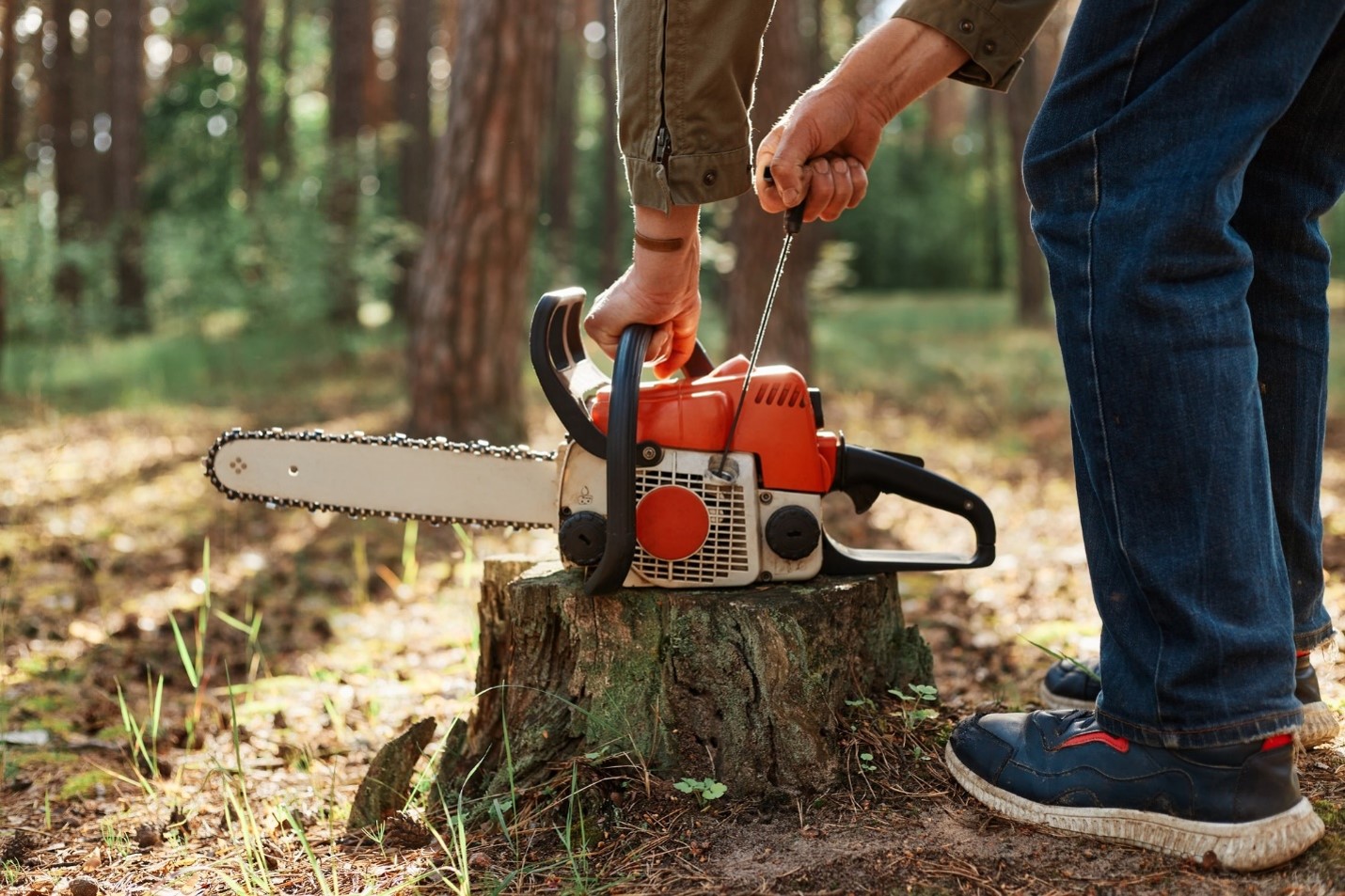
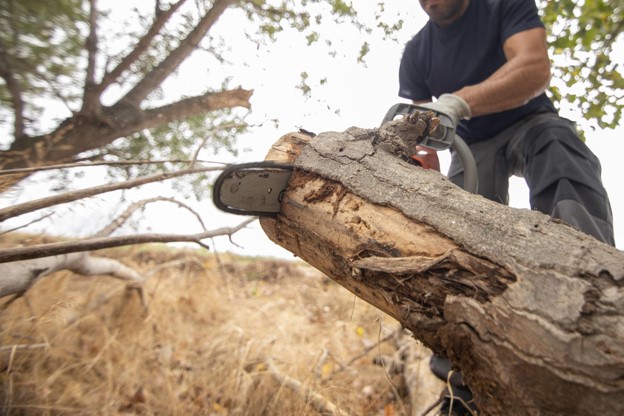
It’s tempting to grab a chainsaw and handle a small diseased tree yourself. But diseased wood is unpredictable. Rot weakens structural integrity in ways that aren’t always visible from outside, and a tree can fall in a direction you did not expect. Add power lines, fences, or a neighbour’s roof into the mix, and DIY removal stops being a money-saver and starts being a liability.
Professional removal is not just about the cutting, either. It includes proper waste disposal, so diseased material does not spread spores to healthy trees nearby, something a backyard job usually misses entirely.
Conclusion
Tree diseases rarely announce themselves loudly. A little discoloration here, a small mushroom cluster there, and suddenly you have got a structural problem waiting to happen. Root rot, cankers, pest infestations and species-specific threats like Dutch Elm Disease all follow the same pattern: early signs get ignored until removal becomes the only safe option left.
Regular inspections, especially after storms or long wet spells, go a long way toward catching problems before they become emergencies. And when removal is genuinely necessary, doing it properly, stump and all, protects the rest of your garden from the same fate.
If you have spotted any of these warning signs on your property, do not leave it to chance. Tree Kings has been helping homeowners across Melbourne’s northern suburbs deal with diseased and unsafe trees safely, affordably, and without the stress of guessing whether it’s actually necessary.
FAQs
How do I know if my tree has root rot or just needs watering?
Root rot usually comes with mushroom growth at the base, spongy bark, and a lean that wasn’t there before. Watering issues tend to affect the whole canopy evenly, while root rot often shows patchy, uneven decline.
Can a diseased tree be saved instead of removed?
Sometimes, yes. If the disease is caught early and hasn’t reached the main trunk or root plate, pruning and treatment can save the tree. Once the core structure is compromised, removal is usually the safer path.
Is it legal to remove a diseased tree in Melbourne without council approval?
It depends on the council area, the tree species, and whether it’s protected under a local overlay. Diseased or hazardous trees often qualify for exemptions, but it’s worth checking with a certified provider before cutting anything down.
Do I need stump grinding after removing a diseased tree?
Yes, especially with root rot or fungal infections. Leftover stumps can still carry spores or pests that spread to nearby healthy trees, so grinding the stump out properly is a key part of stopping the disease in its tracks.